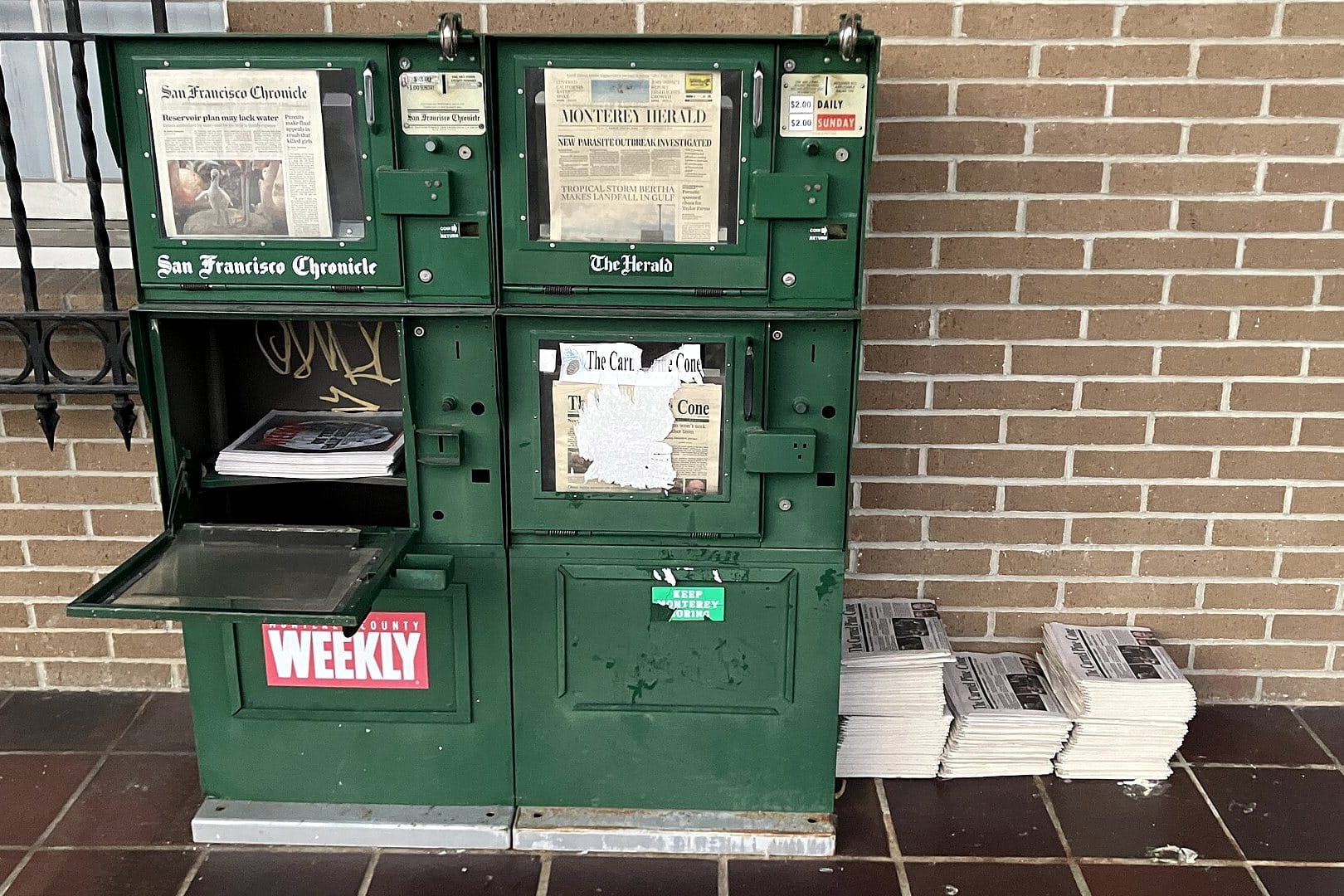
The first issue of the Marlow Ledger was printed on a Thursday in March, in a garage that still smelled of paint. Four hundred copies, stapled by hand, were left at the diner, the library and the laundromat. By noon, the diner had run out.
It was the town’s first newspaper in nineteen months, and the first anyone could remember that was written by people who lived there. This long read follows its first year: the money, the mistakes and the surprising things that readers asked for.
A town with no one in the back row
When the old paper closed, the council meetings went on. So did the planning hearings and the school board votes. What stopped, quietly, was anyone telling the rest of the town what had been decided.
“I did not realise how much I relied on it until a road got closed and nobody could tell me why.”
Nineteen months without a local paper. Four hundred copies in the first print run. Two hundred and six founding members.
Who started it
The idea came from three people who had never met before the closure: a retired printer who owned a press nobody wanted, a school librarian who kept a spreadsheet of public meetings, and a nurse who was tired of hearing about local news second-hand.
- A shared calendar of every public meeting in the county
- A rule that every story names its sources and links its documents
- A promise to publish the paper’s finances every quarter
The first ninety days
- Recruit two hundred founding members at ten dollars a month
- Find a space (a garage), a press (borrowed) and an editor (reluctant)
- Cover every meeting for a month before publishing anything
What readers asked for
Founders expected demands for politics. Readers asked, instead, for a calendar, a correction box and the names of people who had died. “They wanted the paper to be a place that kept track of things,” said the editor. “That turns out to be most of what a newspaper is.”
The money
The paper’s first-year budget was $212,000. Memberships covered 71 percent. A local credit union covered rent on a small office in exchange for nothing but a thank-you in print. The rest came from a single fundraising dinner, which sold out.
| Source | Share of income | Amount |
|---|---|---|
| Reader memberships | 71% | $150,500 |
| Fundraising events | 14% | $29,700 |
| Local sponsorship | 9% | $19,100 |
| Grants | 6% | $12,700 |
Mistakes, corrected
The paper made its first correction in week three, after misspelling the name of the school principal. It ran the correction on page one. “That was the day people started to trust us,” the editor said.
What other towns can copy
The founders are happy to share what they learned, and have published their playbook free of charge.
How we reported this story
We spent three weeks in Marlow County, attended eleven public meetings and interviewed forty residents. Financial figures come from the Ledger’s published quarterly accounts.
A year on, the Ledger prints twelve hundred copies a week and has a waiting list for its garden-notices column. The garage still smells of paint.