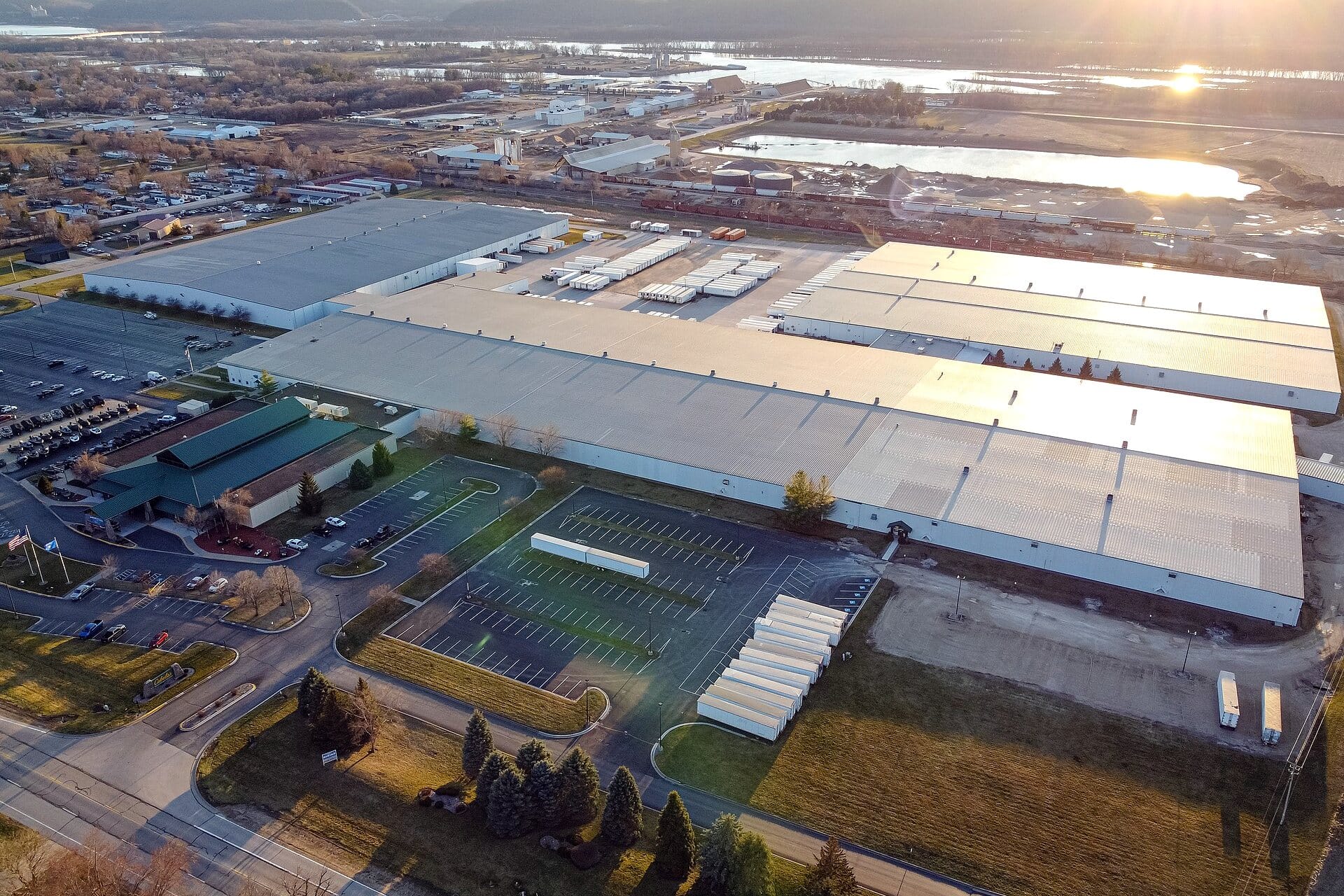
It started with a clipboard. On a Tuesday in March, a night-shift picker at a distribution centre outside Marlow County asked her co-workers to sign a petition for a ten-minute extension to their breaks. By Friday, 400 people had walked out.
Six months later, the strike has spread to eleven facilities across three counties. Workers have won guaranteed breaks, safer quotas and a recognised bargaining committee. Along the way, they have changed what organising looks like in an industry built to resist it.
A different kind of union drive
Unlike earlier campaigns, this one had no outside organisers at the start. Workers used group chats in six languages, shared translated flyers in break rooms and built a hardship fund before the first picket line formed. By the second week, the fund held $38,000, enough to cover rent for fifty families.
“Nobody told us to do it. We did it because the floor was getting hotter and the clock was getting faster.”
The picker who started the petition, Dolores Reyes, still works the night shift. She describes the early days as a series of small, practical decisions: who would translate, who would watch the door, who would bring food. “We did not have a plan,” she said. “We had a list.”
What they asked for
- A guaranteed thirty-minute break, not an “as available” ten
- Published quotas, and a ban on changing them mid-shift
- Cooling and shade on the loading docks when temperatures pass 30°C
- A joint safety committee with elected worker members
- Written protection against retaliation for anyone who took part
We wanted ten minutes. Now we have a union hall with a coffee machine.
The company’s response
The company has said it respects its employees’ rights and that safety is its top priority. It has also hired a consultancy known for opposing union drives, a fact workers quickly learned and published on a hand-painted banner.
In the first weeks, managers offered individual bonuses for staying at work. Few took them. In the second month, the company agreed to talks on break times and heat, but refused to discuss quotas. That refusal, workers say, is what turned a local dispute into a regional one.
The ripple effect
Eight more facilities joined in the following weeks, then three more. What began with 400 workers now involves more than 3,100, across two companies and three counties. Labour scholars say the campaign’s tactics are easy to copy, which is why employers are watching closely.
What happens next
A vote on formal recognition is scheduled for next month at the first three sites. If it passes, the bargaining committee will begin negotiating a full contract. If it fails, organisers say they will keep the committee and the chat going.
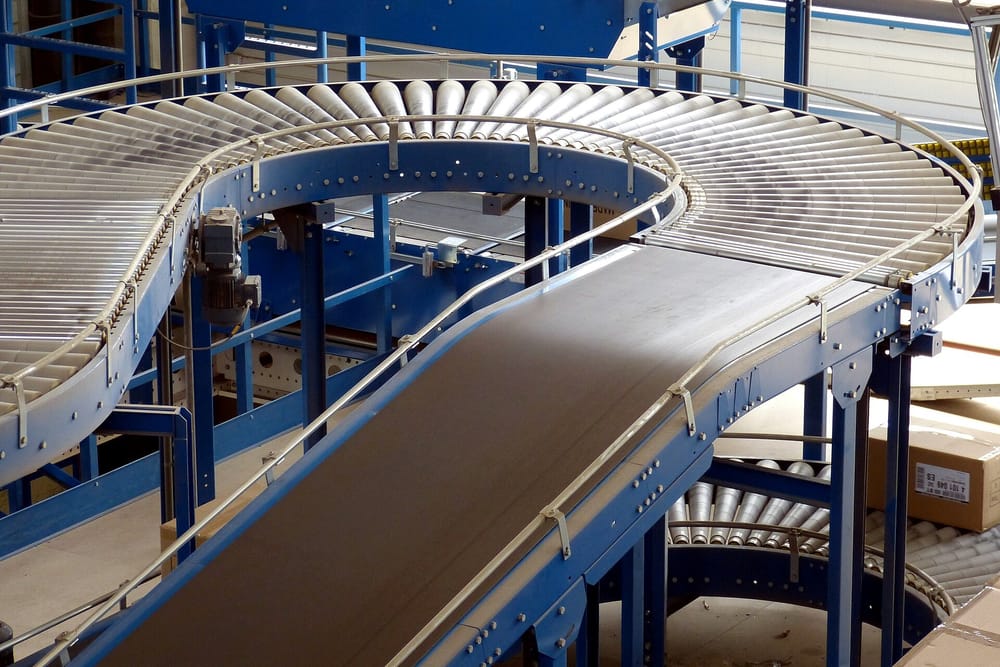
“If it works here,” said one labour economist, “expect to see it everywhere there’s a conveyor belt.” For the workers who started it, the ambitions are modest. “We wanted ten minutes,” Reyes said. “That is not a bad start.”