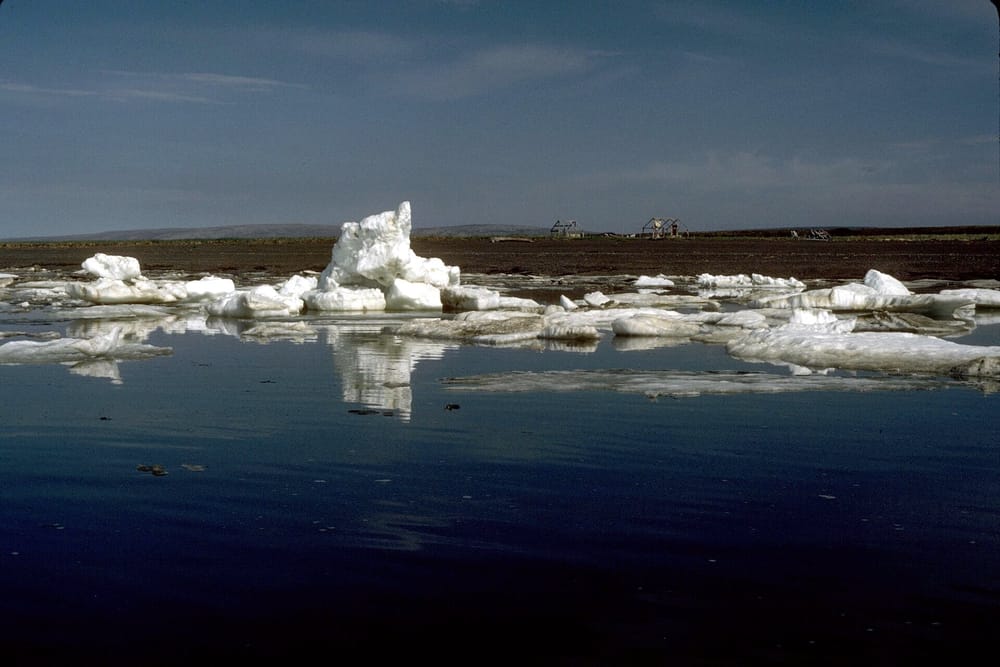
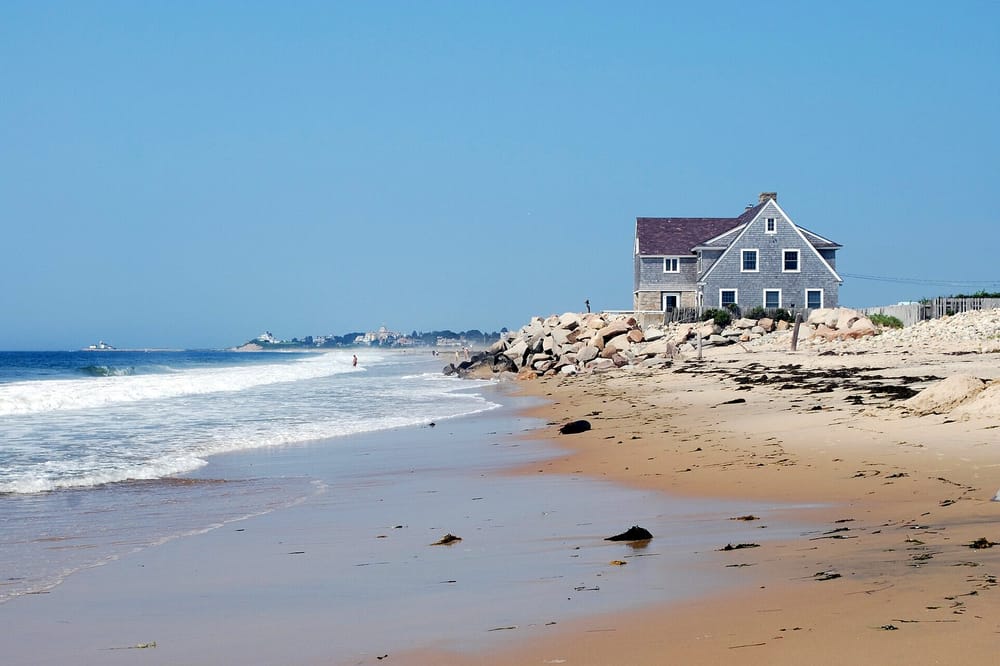
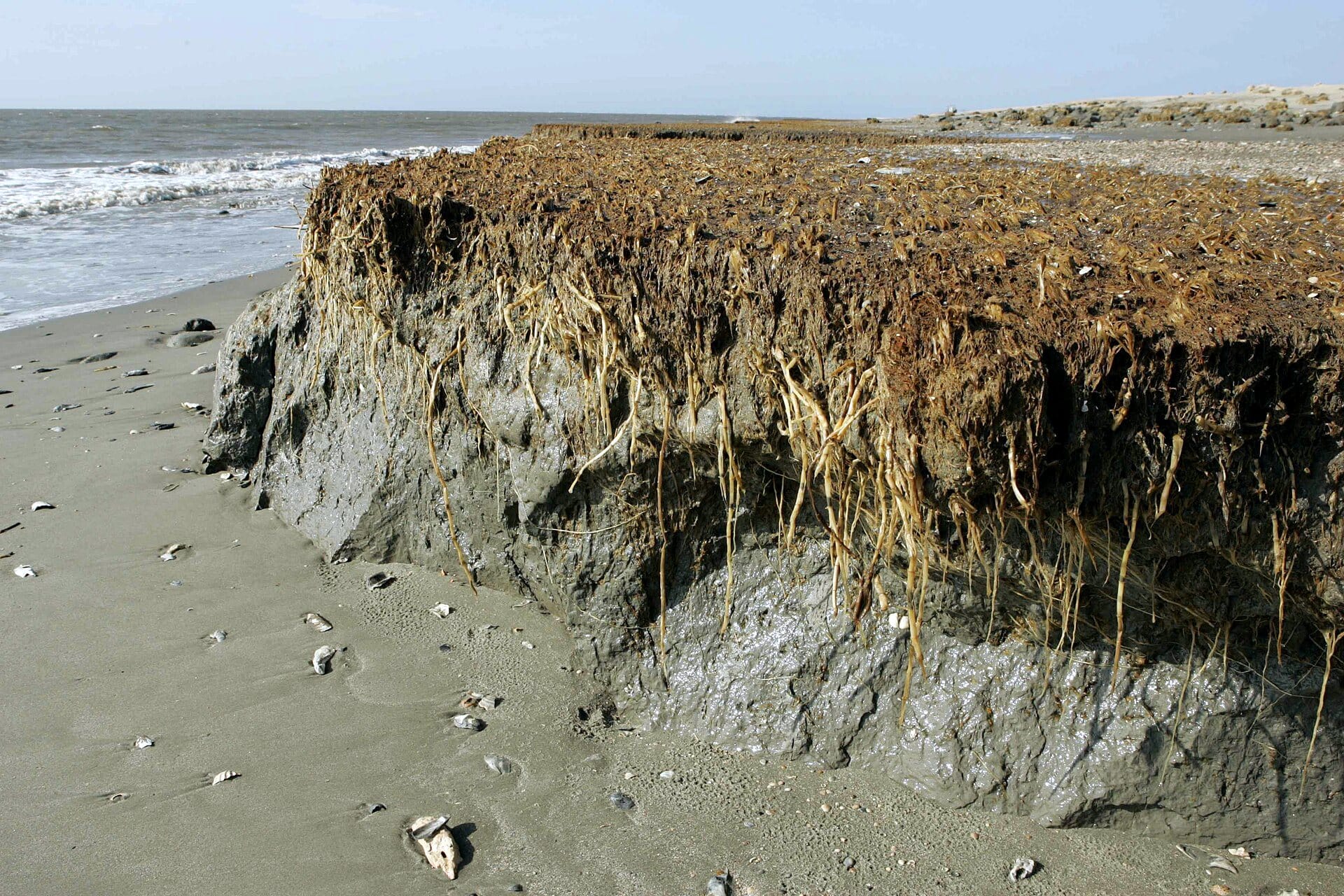
On Brightwater Bay, the sea is taking back the lawns. First the beach went, then the dunes. Last winter, a storm took the first row of homes along Shore Road, and with them a municipal budget that was already stretched.
The town’s answer is a word that makes planners wince and residents angry: retreat. Under a plan approved in the spring, the town will buy out homeowners in the most exposed streets and return the land to marsh. The plan has a price tag of $140 million. Nobody agrees who should pay it.
The maths of leaving
Studies suggest that buying out a repeatedly flooded home can cost less than rebuilding it again and again. In Brightwater Bay, the average buyout offer is $410,000. The average insurance and disaster payout to a Shore Road home over the past decade was almost $290,000.
But buyouts depend on money, and on a trust that residents say has been slow to arrive. Maureen Tolliver, 71, has lived on Shore Road since 1978. She watched her neighbours’ porches fall into the surf in February. “They tell us the water is coming,” she said, “and then ask us to wait two years for a cheque.”
Who pays
The plan covers 212 homes across five streets, 38 of them on Shore Road. Its funding is the problem. The town has committed $18 million. The state has offered $22 million. Federal support, which would cover the remaining $100 million, is conditional on a regional plan that does not yet exist.
- Town of Brightwater Bay: $18 million committed
- State coastal fund: $22 million offered
- Federal programme: $100 million, conditional on a regional plan
The insurers leave quietly
Insurers, meanwhile, are quietly withdrawing from the shoreline. Three carriers have stopped writing new policies in the bay’s two lowest zip codes. The effect is already visible in the numbers: homes that would have sold in a week two years ago are now sitting for months, and prices on the second row of streets have fallen by almost a fifth.
They tell us the water is coming and then ask us to wait two years for a cheque.
A template, or a warning?
Dozens of towns are watching Brightwater Bay. If a managed retreat can be done fairly, researchers say, it could become a model. If it fails, it will be a warning about what happens when planning arrives after the flood.
“The hardest part is not the engineering,” said Dr. Ingrid Halvorsen, a coastal planner advising the town. “It is that we are asking people to leave a place that is still beautiful on most days. You have to build a way of leaving that people can accept.”
For now, the residents who remain have a choice most would rather not make: take the money, or take the risk.